Work History: Rec Room - Principal Tech Lead, User Generated Content Org
What I'm doing as Principal Tech Lead of our User Generated Content Org at Rec Room since 2024-11.By the time I stepped into the Principal Tech Lead role, Rec Room's UGC platform was at an inflection point. Circuits had proven the value of empowering creators, but the underlying technology needed to evolve. A multi-year initiative called Rooms 2 had introduced a new foundation for UGC content, and the company needed strong technical leadership to drive adoption, improve stability, and chart the path forward.
Art Min, formerly of Meta, joined as Engineering Director, and Cameron Brown, Rec Room's CCO, took over organizational leadership. Based on my track record as the principal architect of Circuits, I was promoted to Technical Lead of UGC and asked to help stabilize the platform, align the team, and define our technical direction.
Table of Contents:
Rooms 2 was an ambitious rewrite of Rec Room's core UGC technology, designed to give creators a more scalable foundation. Adoption had been slower than expected, and the community's top concern was stability. To understand the issues firsthand, I engaged directly with creators on Discord and launched a public-facing defect tracker to capture and prioritize their reports. Mark Domowicz, who co-led the Logic Team with me, was brought in to lead the effort on the product side. Together, we organized the outstanding issues into four categories:
- Rooms changed unexpectedly after being saved
- R2 caused game crashes
- Objects in rooms moved or changed at random
- Promised features were missing or incomplete
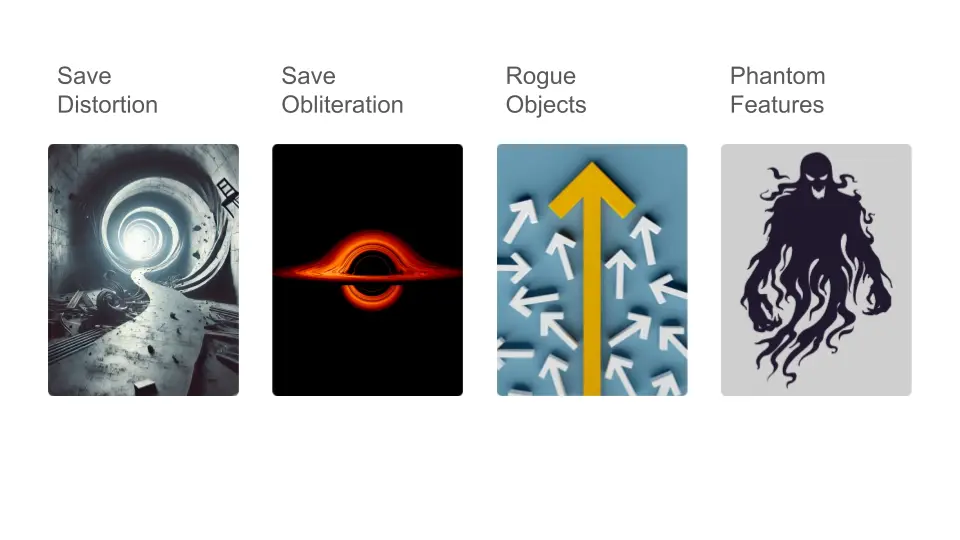
That tracker and those categories became the backbone of how we structured triage across the entire UGC organization, ensuring every team was focused on the highest-visibility issues first.
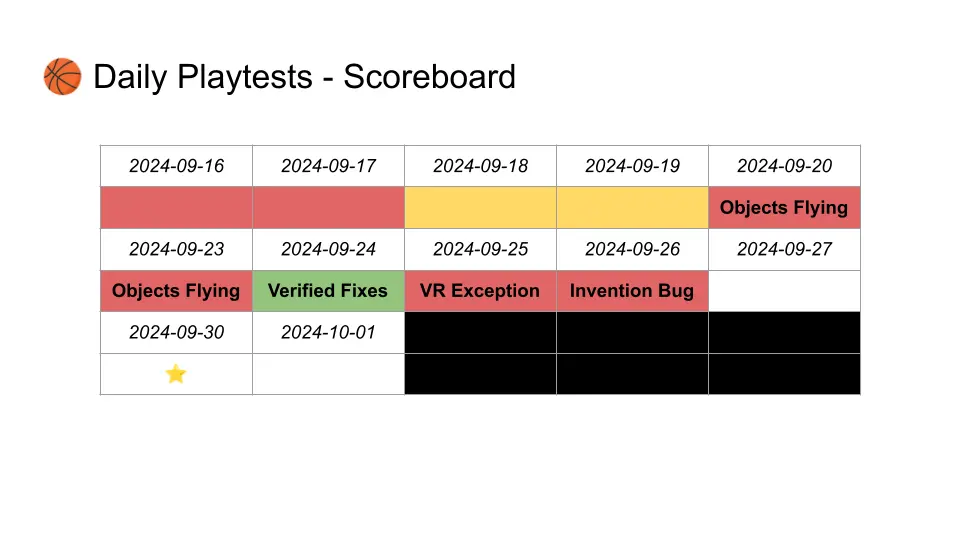
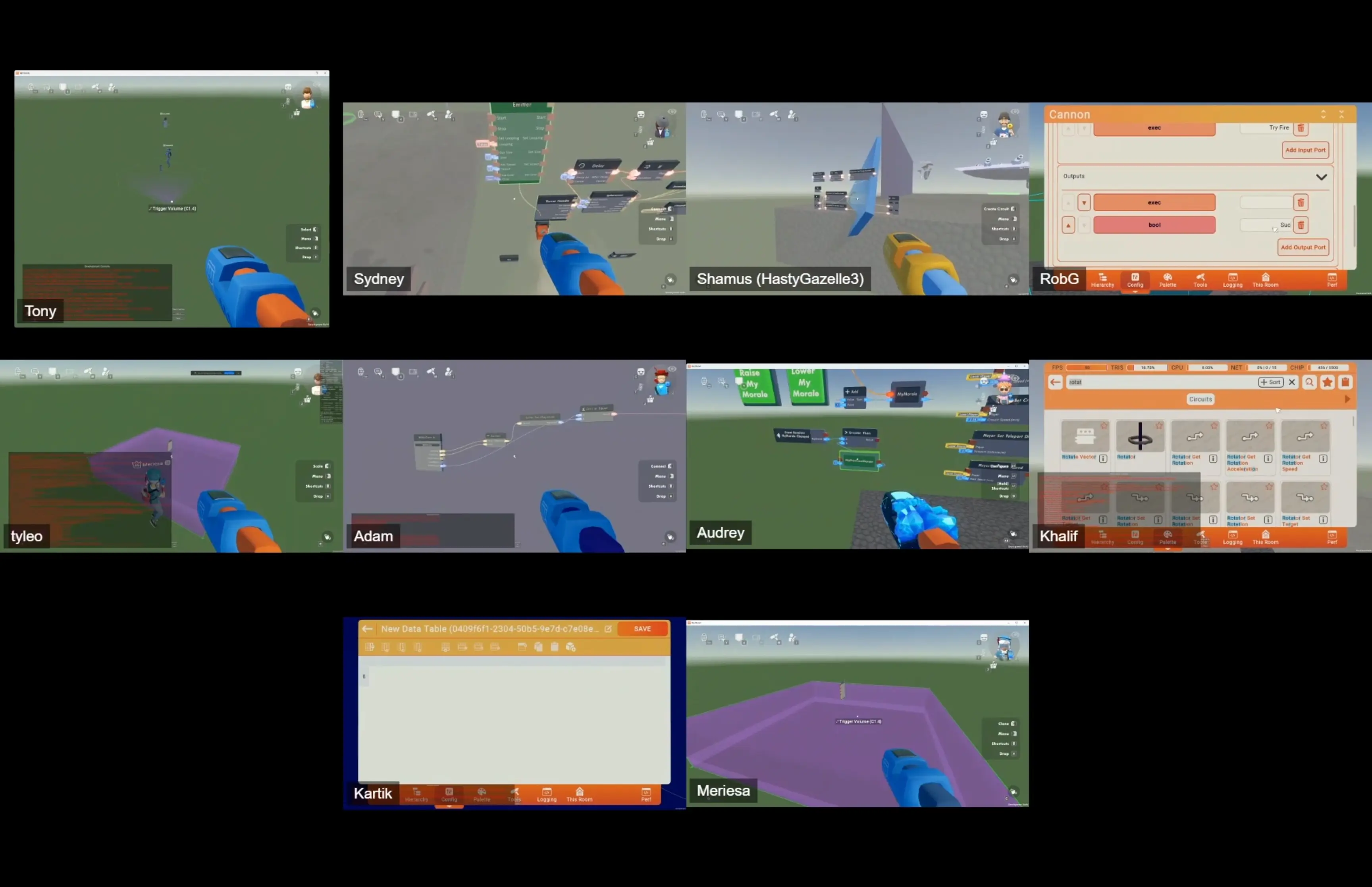
Working with Cameron Brown, we formed and directed a 16-engineer task force dedicated to bringing R2 to a stable, shippable state. We ran a six-month quality initiative built around strict weekly milestones, each tied to concrete outcomes such as "zero crashes in the October playtest." To maximize our learning rate, we instituted daily team playtests on top of the weekly sessions with a professional creator group. Each morning I wrote a brief outlining the test plan, we ran the playtest, and engineers spent the rest of the day fixing the issues that surfaced. All sessions were recorded using the free vdo.ninja tool so QA could review asynchronously. The approach was later described as "the greatest partnership between developers and QA in the company's history."
The initiative drove significant improvements in stability and established a quality-focused development culture that carried forward into subsequent projects. Many of the processes we built, like structured triage, daily playtesting, milestone-driven development, became templates for how the organization tackled complex problems.
As the company's priorities evolved, I shifted focus to a set of high-impact UGC initiatives aimed at restoring the team's ability to ship quickly. With leaner teams and less margin for error, the work emphasized pragmatic fixes to unblock creators, improve reliability, and increased development velocity across the studio.
These efforts spanned platform versioning, creator tooling, and exploratory bets like Maker AI. The common thread was prioritizing changes that delivered immediate leverage: removing systemic bottlenecks, supporting key demos, and reinforcing foundations that enabled other teams to move faster.
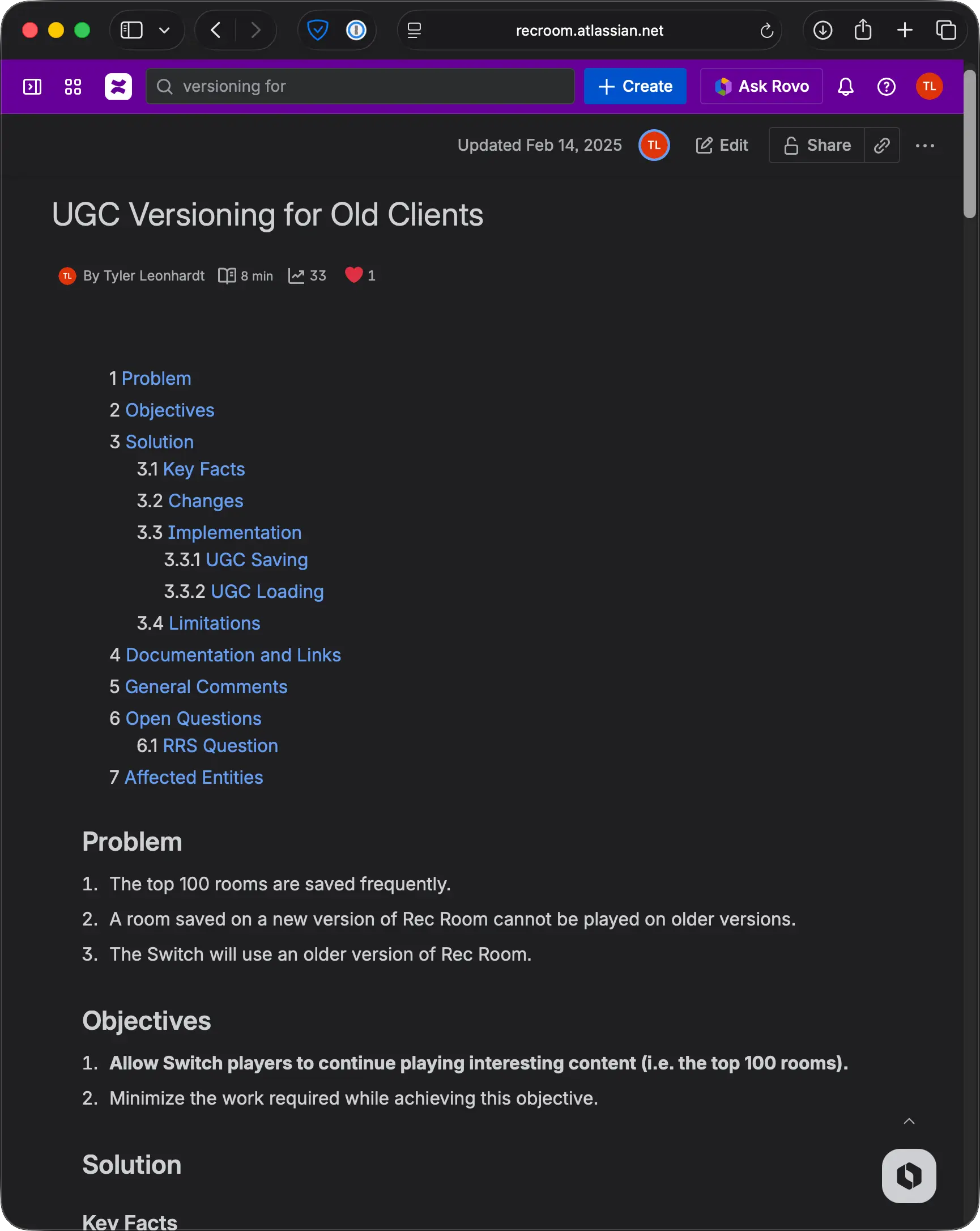
One of the most critical problems was our versioning system, which tightly coupled Nintendo Switch releases to every other platform. Switch updates required a significantly longer approval cycle, and that constraint was dragging the studio's release cadence down from weekly to monthly.
The core technical challenge was enabling different clients to load different versions of the same room from our servers. Although we already stored a room's full save history, once a room was saved on a newer version of Rec Room, older clients were blocked from downloading anything but the latest save. This was especially painful for our most popular rooms, which operated like live services and updated immediately to take advantage of new features.
I led a small strike team to design and implement changes across both the client and server. We delivered the solution in under a month, allowing the entire studio to continue shipping weekly, unblocked by the Switch's longer release cadence.
As the company's priorities shifted, we explored several paths forward. Generative AI tools had become affordable enough to support real products, and investor interest in the space was accelerating. We launched a series of exploratory bets to assess whether generative AI could be a viable direction for Rec Room.
The first of these efforts was Maker AI, a tool that allowed creators to build Rec Room content using voice prompts. Development began late in the lifecycle of Rooms 2, which meant Maker AI was incompatible with most existing Rec Room content. Nick Fajt, Rec Room's CEO, wanted more content available for Maker AI demos, and I was tasked with solving that problem.
Another team prepared a list of our 100 most important assets and I set out to build an upgrader to move them to Rooms 2. The tools were scrappy and required running multiple applications simultaneously, with a fair amount of manual babysitting. When asked why I didn't automate the process further, I explained: this was a sure thing. If I stayed focused, I could port all 100 assets by the end of the week.
A recurring pattern in my career is prioritizing reliable outcomes over shiny technology. I don't like replacing sure bets with unnecessary complexity.
The Maker AI team also built an experimental AI-driven Circuits generator. It worked by having the model emit a constrained subset of C#, which was then converted into Circuits on the client. While effective as a learning prototype, the implementation was ad hoc and violated Circuits architectural principles.
Those tradeoffs were acceptable early on, when the priority was exploration and validating direction. As Maker AI emerged as a more credible bet, however, we needed to professionalize the technology. I was brought in to rewrite part of the Circuits code generator to align with our standards. The scope was modest, but it improved maintainability of the system.
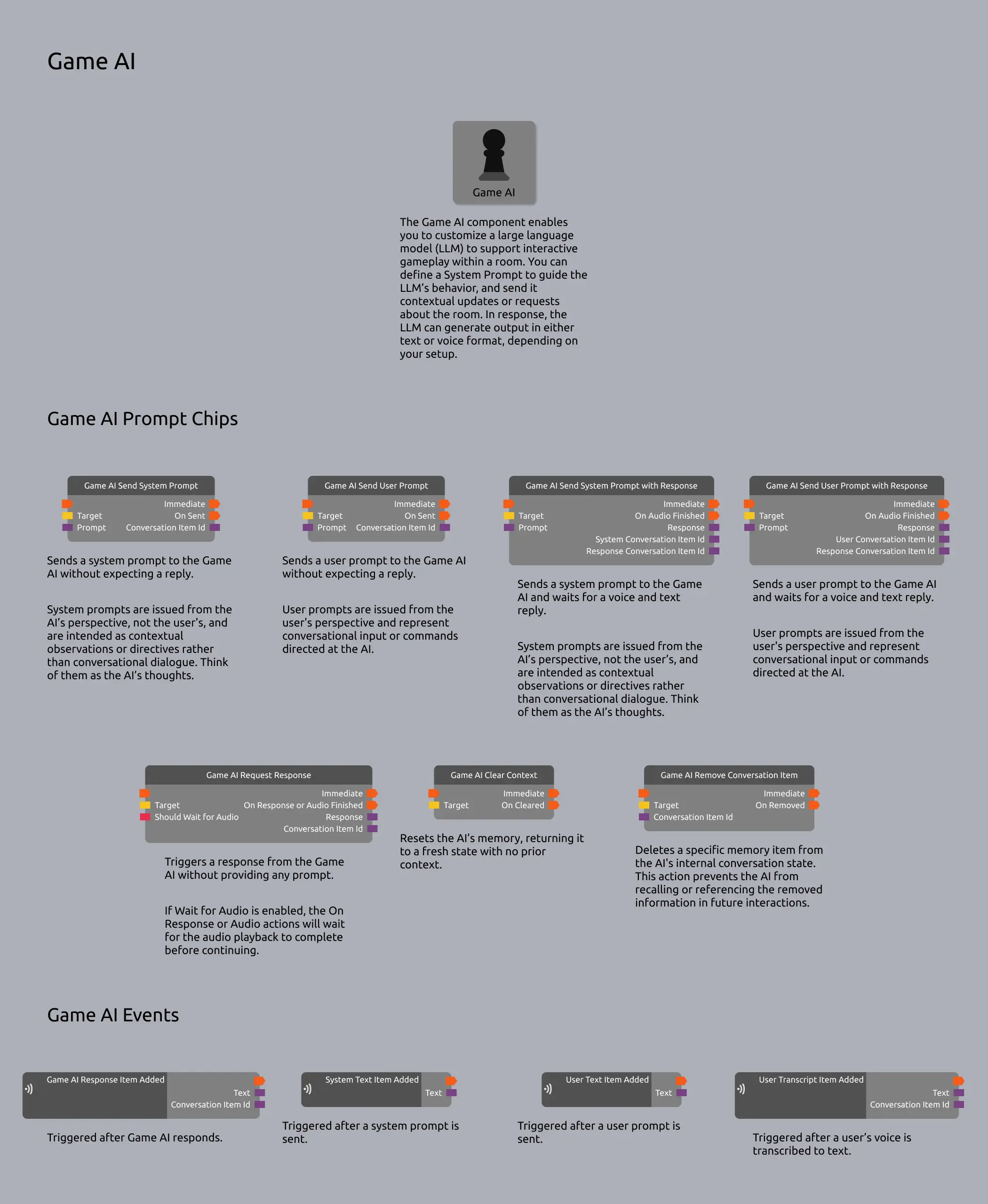
While the Maker AI work was underway, I began developing a broader vision of my own. Building on early efforts by engineering manager Sarah Tan, designer David Bednar, and product lead Sabrina Chen, I conceived Game AI: a set of atomic building blocks that allowed creators to integrate generative AI directly into gameplay. These primitives could power voiced characters, interpret games like charades, or generate meshes and images in real time during play.
I put together a pitch and shared it with leaders across the company, which led to the formation of a dedicated team. We partnered with a small, hand-selected group of top creators eager to explore the space, and together built a slate of 11 AI-driven experiences in roughly two months.
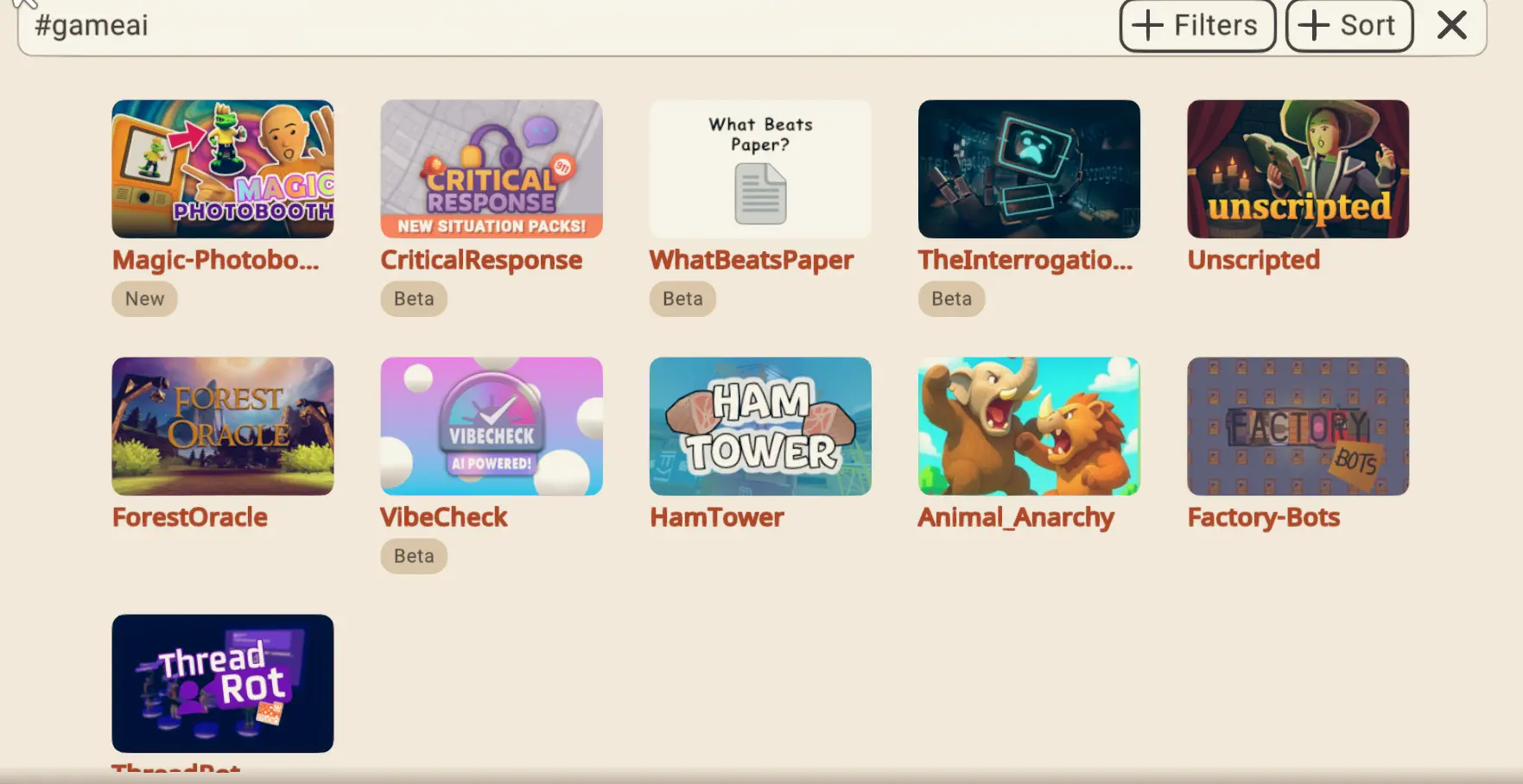
I worked closely with Sarah and Sabrina, who led coordination across the internal team and external creators, while I focused on designing and organizing the underlying technology. Building these games generated valuable insights that we carried forward into subsequent iterations.
The best game we built using Game AI was Sketchy Showdown. The concept was led by Audrey Cox, a principal designer and co-lead on the Logic team. The game pitted two players head-to-head, drawing an animal prompted by an AI narrator. A second AI, Andy Snarhol, would roast the contestants, judge their work, and commission a sculpture of the winner.
The project nearly died in pre production, so Audrey and I scrambled to put together a rough demo. Even in its crude state, the experience was magical. As soon as we shared the demo reel internally, the project was greenlit as a full game. Of all the rooms I helped build during my years at Rec Room, Sketchy Showdown remains my favorite.
As the company sharpened its focus on reaching profitability, we pivoted toward initiatives with a clear, near-term path to revenue, particularly those that expanded proven, existing streams. I picked up a series of monetization features across the company, moving quickly between projects to maximize impact with a smaller team.
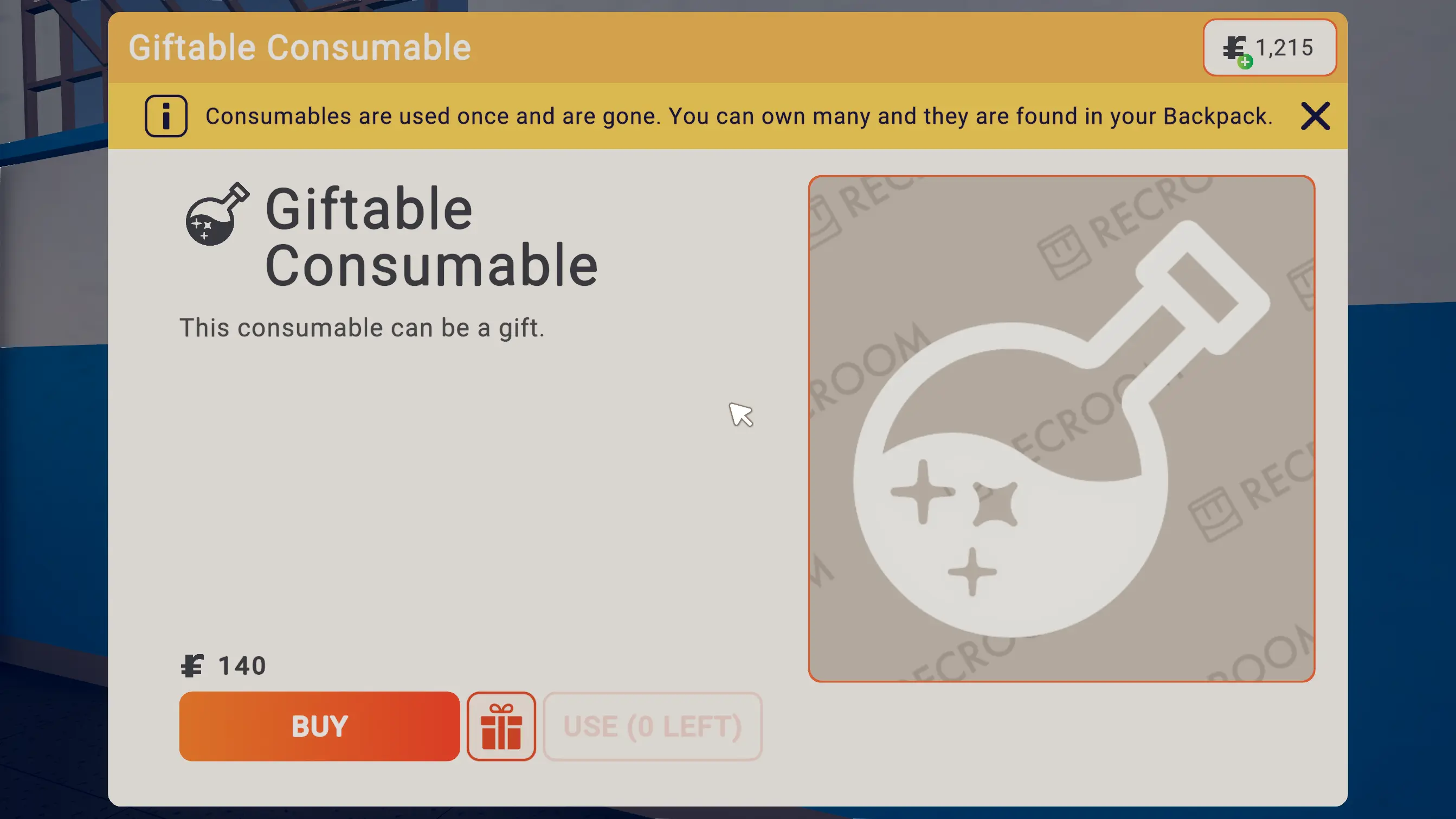
The first initiative I worked on enabled creators to make content in their rooms giftable. Gifting was already popular for first-party content, and we wanted creators to tap into that same demand. I implemented the client-side logic required to support UGC gifting.
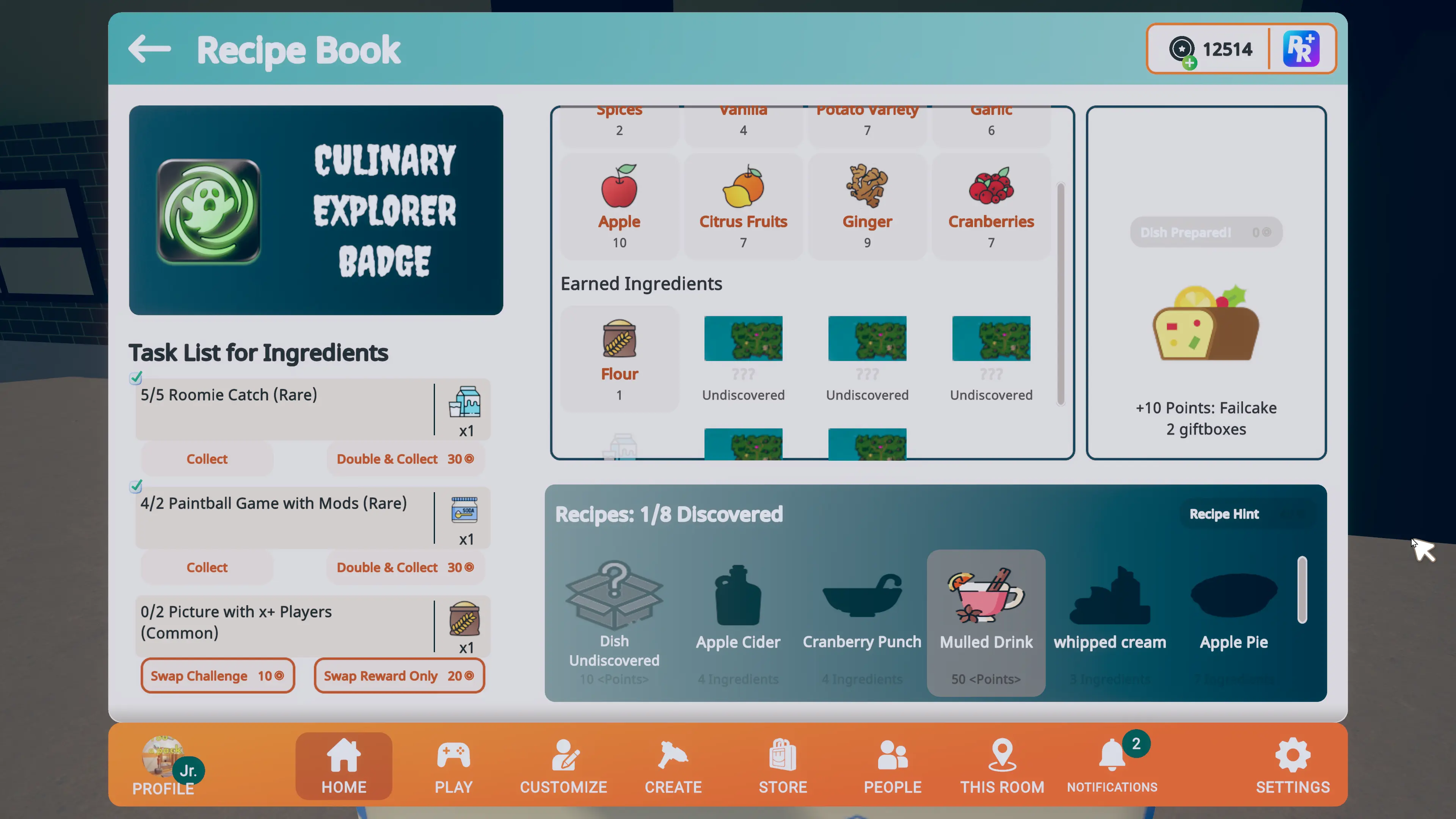
The second project I worked on during our monetization push was a time-limited live activity. Players collected ingredients throughout the world and used them to cook recipes that unlocked rewards. I finished integrating the underlying challenge-tracking system for the feature while another developer was on vacation and contributed to the UI for surfacing challenges and rewards to players.
The third project I worked on was a modification to one of our existing quests, Golden Trophy. Despite being one of the most popular first-party experiences for nearly a decade, it underperformed in terms of monetization. We revisited a strategy we had used successfully in Paintball: selling gameplay modifiers that let players experience familiar content in new ways.
I pitched an initial prototype for Coconut Chaos, a modifier that rained exploding coconuts on players as they attempted to complete the quest. This eventually evolved into a structured challenge, where players who completed Golden Trophy with both Coconut Chaos and Turbo, a modifier that increased enemy speed, could earn a profile badge.
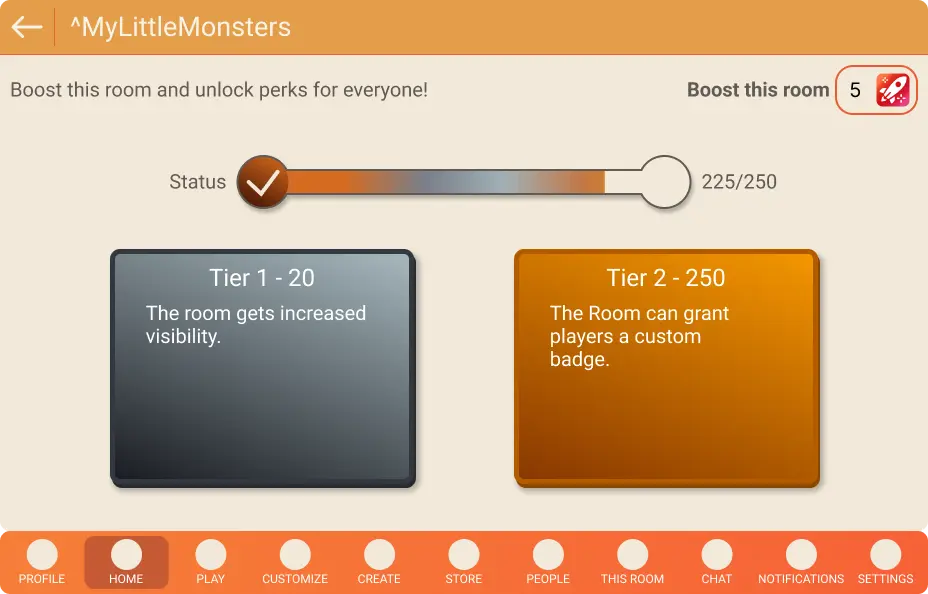
The final project I worked on during this phase was a new "Room Boosts" system structured similarly to Discord Boosts. This system allowed players to boost a room for 30 days which could improve its discovery and allow the creator to provide a UGC badge to players.
I built Circuits which integrated with the boosts system as well as integrating it into the main page of our UI and designing a boosts page in Figma to summarize a room's boost progress.